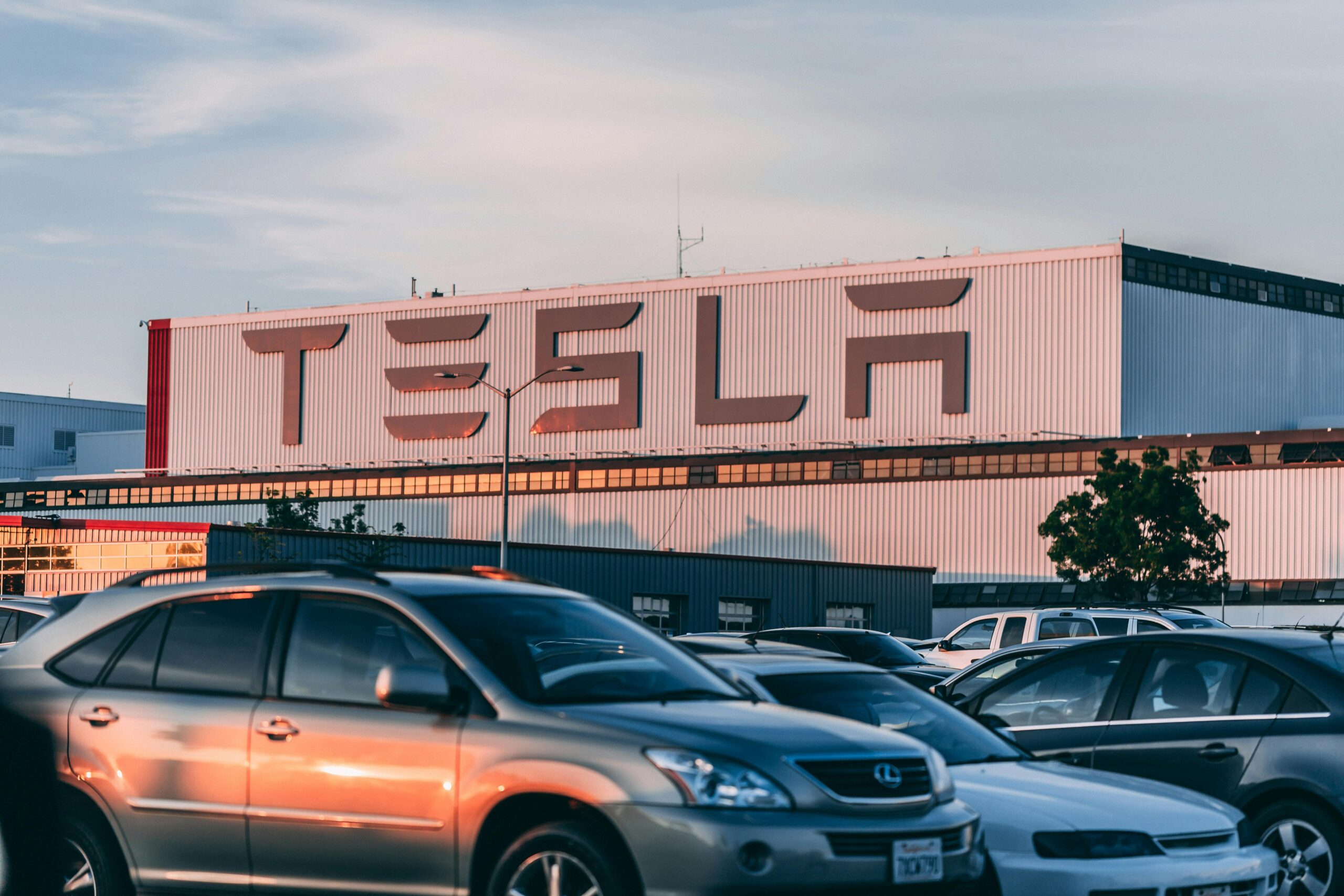
In less than two decades, Tesla transformed from a risky Silicon Valley startup into the most valuable car company on Earth. While traditional automakers relied on gasoline and legacy production models, Tesla redefined the future with bold innovation, visionary leadership, and an unrelenting focus on sustainability.
This case study explores the key milestones, strategies, and decisions that propelled Tesla to the top of the global automotive industry — and what investors can learn from its success story.
The Early Years: Betting on a Revolution
When Tesla was founded in 2003 by Martin Eberhard and Marc Tarpenning — and later joined by Elon Musk — the auto industry was skeptical about electric vehicles. Most viewed EVs as slow, expensive, and impractical.
However, Musk saw an opportunity. Instead of targeting mass consumers, Tesla began by building high-performance luxury electric cars, proving that EVs could be fast, beautiful, and desirable. The Tesla Roadster (2008) became a statement — not just of innovation, but of possibility.
Disrupting the Automotive Industry
Tesla’s breakthrough came with the Model S (2012) — a sleek, powerful sedan that shattered the idea that electric vehicles were inferior. The Model S earned critical acclaim for performance and range, challenging industry giants like BMW and Mercedes-Benz.
Tesla didn’t just sell cars; it sold a vision of the future. By controlling everything from manufacturing to software, Tesla built a vertically integrated system that gave it unmatched agility. Unlike traditional automakers, Tesla’s direct-to-consumer model and over-the-air software updates created a unique customer experience — one built on innovation and trust.
Key Success Factors Behind Tesla’s Rise
Tesla’s growth wasn’t accidental. It was the result of several strategic pillars that redefined the market:
1. Visionary Leadership
Elon Musk’s risk tolerance, storytelling ability, and willingness to challenge industry norms turned Tesla into more than a car company — it became a movement.
2. Vertical Integration
While competitors outsourced key operations, Tesla built its own supply chain, from batteries to software. This gave it control over innovation speed and cost reduction.
3. Technology and Software Focus
Tesla positioned itself as a tech company that builds cars, not the other way around. Its Autopilot, AI capabilities, and data-driven updates positioned Tesla as a leader in mobility technology.
4. Brand and Mission
Tesla’s mission — “to accelerate the world’s transition to sustainable energy” — resonated globally. It attracted customers, investors, and employees who believed in its cause.
5. Investor Confidence
Tesla’s stock became one of the most traded assets on Wall Street. Despite early volatility, long-term believers saw their faith rewarded as Tesla’s valuation surpassed $1 trillion in 2021.
Overcoming Major Challenges
Tesla’s journey wasn’t without turbulence. From production delays to cash flow crises, and even doubts about Musk’s management style, the company faced moments where survival seemed uncertain.
However, Tesla’s adaptability and relentless execution — particularly during the Model 3 “production hell” phase — cemented its resilience. The success of the Model 3 (2017) marked Tesla’s entry into the mass market, making EVs accessible to millions and transforming the company’s profitability.
Tesla’s Global Expansion
By 2025, Tesla had established Gigafactories across the U.S., China, and Europe — each designed to reduce costs and meet soaring demand. Its investment in battery technology and renewable energy integration positioned it as a global sustainability leader.
The company’s expansion into solar energy, energy storage, and autonomous driving further diversified its revenue streams and solidified its ecosystem approach — where every Tesla product connects to a unified clean-energy vision.
Lessons for Investors and Entrepreneurs
Tesla’s story offers timeless lessons for investors and innovators alike:
- Think long-term. Market disruption takes time, persistence, and resilience.
- Embrace innovation. Technology evolves — adapt or be left behind.
- Build a mission-driven brand. Purpose drives loyalty more than marketing.
- Invest in vertical control. Ownership of your value chain creates strategic strength.
- Use data to evolve. Tesla’s iterative improvements kept it ahead of the curve.
Final Thoughts
Tesla didn’t just build cars — it built a revolution. By merging technology, vision, and purpose, it turned skeptics into believers and redefined what an automaker could be.
As investors look ahead, Tesla’s case reminds us that true value comes not from following the market, but from reshaping it.
Do you think Tesla can maintain its dominance as more EV competitors rise? Share your thoughts in the comments — let’s discuss whether Tesla’s best days are still ahead.