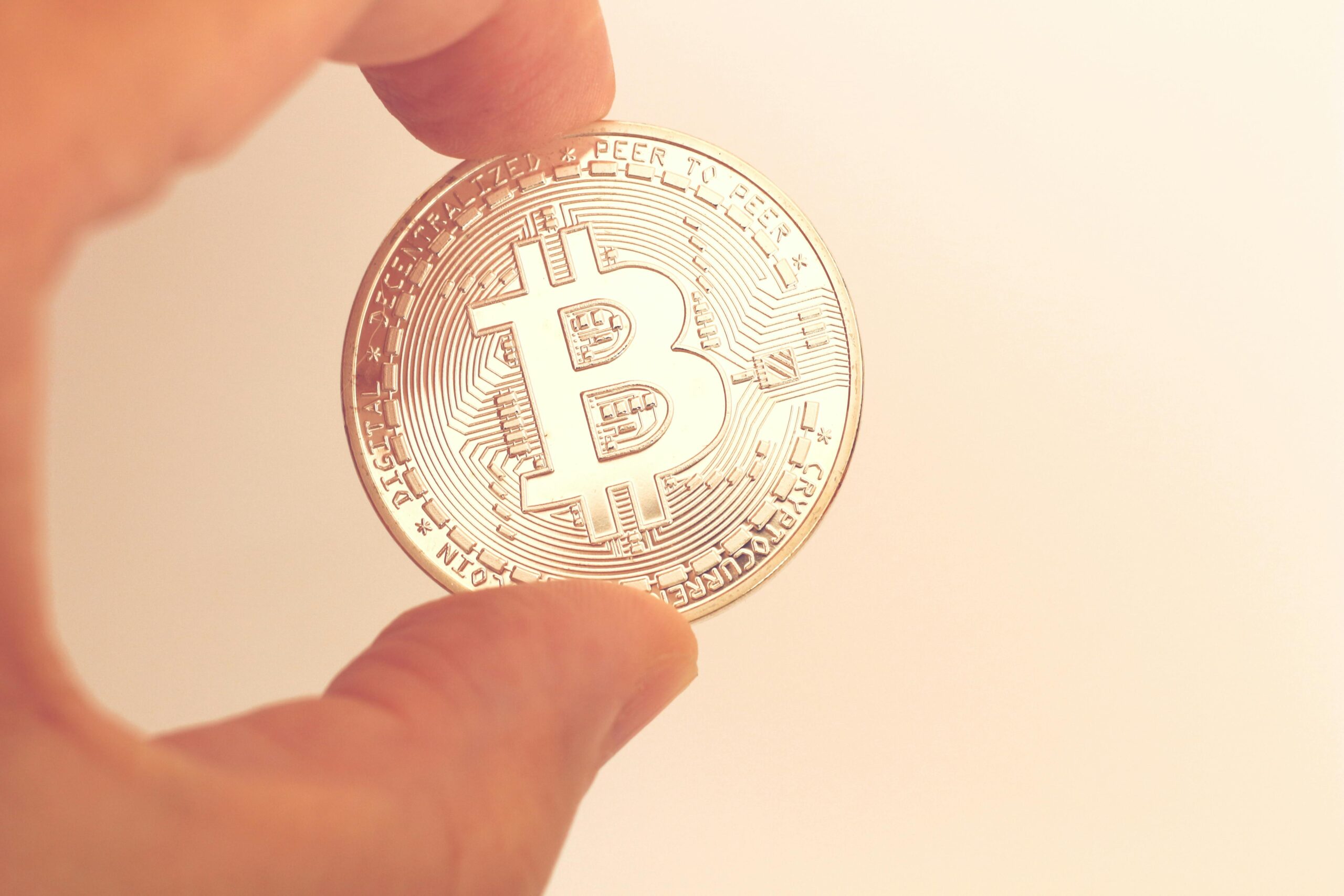
In a world where crypto volatility keeps many investors on edge, stablecoins have emerged as a bridge between traditional finance and the digital economy. These digital assets are reshaping how people transact, save, and invest globally — offering both innovation and stability in one evolving ecosystem.
What Are Stablecoins?
Stablecoins are cryptocurrencies pegged to stable assets such as the U.S. dollar, euro, or gold. Their value remains relatively constant, unlike Bitcoin or Ethereum, which can fluctuate dramatically.
Common examples include:
- USDT (Tether) – pegged to the U.S. dollar
- USDC (USD Coin) – backed by regulated financial institutions
- DAI – an algorithmic stablecoin supported by crypto collateral
By maintaining a steady value, stablecoins make digital transactions faster and cheaper while preserving purchasing power.
The Role of Stablecoins in Global Finance
1. Faster and Cheaper Cross-Border Payments
Traditional cross-border payments often take days and involve high fees. Stablecoins remove intermediaries, allowing instant global transfers with minimal costs. For example, sending USDC from New York to Nairobi can take seconds — compared to days through banks or services like SWIFT.
2. Financial Inclusion for the Unbanked
Over 1.4 billion adults worldwide lack access to traditional banking systems. With just a smartphone and internet connection, stablecoins allow users in developing countries to store value, send money, and receive payments securely without needing a bank account.
3. Corporate and Institutional Adoption
Major corporations and fintech firms are integrating stablecoins for payments and treasury management. Companies like PayPal recently launched their own stablecoin, PYUSD, to enable faster digital payments and settlements across platforms.
4. A New Tool for Central Banks
Stablecoins have inspired central banks to explore Central Bank Digital Currencies (CBDCs). The Federal Reserve and European Central Bank are studying how digital currencies can improve efficiency and maintain monetary control in an increasingly cashless economy.
Risks and Challenges of Stablecoins
While promising, stablecoins come with their own set of risks:
- Regulatory uncertainty: Different countries have inconsistent frameworks, creating compliance challenges.
- Transparency issues: Not all stablecoins disclose full reserve details, raising trust concerns.
- De-pegging risks: Algorithmic stablecoins (like TerraUSD in 2022) showed that losing peg stability can lead to massive losses.
Despite these challenges, the overall trend suggests continued growth and regulation aimed at securing the ecosystem.
Investment Opportunities in Stablecoins
Investors are increasingly using stablecoins to:
- Hedge against volatility in crypto markets
- Earn yields through staking or lending platforms
- Access DeFi (Decentralized Finance) protocols for liquidity farming or yield generation
However, investors should always research the reserves, issuer reputation, and regulatory compliance before holding or deploying large amounts of stablecoins.
The Future of Global Finance: Stable and Digital
Stablecoins represent a paradigm shift — merging the stability of fiat currency with the innovation of blockchain. As governments, corporations, and individuals adopt them, they could redefine international trade, remittances, and even global monetary policy.
👉 Do you believe stablecoins will replace traditional banking systems in the next decade? Share your thoughts in the comments below!