The digital asset landscape has evolved significantly over the last decade. Gone are the days when buying a single coin was enough to capture the market’s upside. As we move through 2025, the maturation of the blockchain sector—driven by institutional adoption and regulatory clarity—demands a more sophisticated approach. For the modern investor, constructing a diversified crypto portfolio is no longer optional; it is a necessity for managing risk while seeking substantial returns.
Many investors mistakenly believe that holding five different meme coins constitutes diversification. However, true wealth building requires understanding the correlation between assets and the distinct value propositions of different blockchain sectors. Whether you are a seasoned equities trader entering the crypto space or a digital native looking to professionalize your strategy, the principles of asset allocation remain paramount.
In this guide, we will explore how to build a diversified crypto portfolio that can weather market volatility and capitalize on the next wave of economic innovation.
Why Diversification Matters in Digital Assets
The primary goal of any investment portfolio is to maximize returns for a given level of risk. In traditional finance, this is achieved by mixing stocks, bonds, and commodities. In the world of cryptocurrency, the volatility is higher, which makes the need for a diversified crypto portfolio even more critical.
The Problem with Correlation
Historically, the entire crypto market moved in lockstep with Bitcoin. When Bitcoin sneezed, the altcoin market caught a cold. However, as the market matures in 2025, we are seeing signs of “decoupling.” Different sectors—such as Decentralized Finance (DeFi), Layer 1 protocols, and Real-World Assets (RWAs)—are beginning to react differently to macroeconomic stimuli.
By spreading your capital across unrelated or loosely correlated sectors, you reduce the risk of a single regulatory event or technical failure wiping out your holdings. Therefore, a well-structured portfolio protects your capital during bear markets and positions you to capture growth from specific sector trends during bull markets.
Balancing Risk and Reward
A diversified crypto portfolio allows you to balance “beta” (market performance) with “alpha” (outperformance).
- Beta Assets: These are your established market movers, offering stability and steady growth.
- Alpha Assets: These are higher-risk, smaller-cap plays that have the potential for 10x returns but come with significant downside risk.
Without a structured balance, you risk being overexposed to volatility or underexposed to the growth that attracted you to the asset class in the first place.
The Core-Satellite Strategy Framework
To build a robust diversified crypto portfolio, financial experts often recommend the “Core-Satellite” approach. This strategy divides your holdings into a stable foundation (the Core) and higher-risk growth assets (the Satellites).
1. The Core: The Foundation (Bitcoin & Ethereum)
For most investors, the “Core” should make up the majority of the portfolio (typically 50% to 70%). This section is dedicated to the blue-chip assets of the industry: Bitcoin (BTC) and Ethereum (ETH).
- Bitcoin (BTC): Often viewed as “digital gold,” Bitcoin serves as a store of value. In the economic climate of 2025-2026, with persistent concerns regarding fiat currency debasement, Bitcoin acts as a hedge against inflation.
- Ethereum (ETH): As the leading smart contract platform, Ethereum is akin to investing in the “internet of value” itself. Most decentralized applications (dApps) and stablecoins run on this network.
These assets have the deepest liquidity, the longest track records, and the highest institutional support. They are the anchors of your portfolio.
2. The Satellites: High-Growth Sectors
The remaining 30% to 50% of your portfolio is allocated to “Satellites.” These are specific blockchain sectors that offer higher growth potential. To ensure you have a truly diversified crypto portfolio, you should select projects from different categories:
Layer 2 Scaling Solutions
Ethereum is secure but can be slow and expensive. Layer 2 solutions (like Arbitrum, Optimism, or Polygon) help scale the network. As user adoption grows, these protocols often capture significant value.
Real-World Assets (RWAs)
This is one of the most significant trends for 2025. RWAs involve tokenizing traditional financial assets—such as real estate, government bonds, or private credit—on the blockchain. Investing in protocols that facilitate this bridge connects your crypto portfolio to the stability of traditional finance.
Understanding Real-World Assets in Crypto
Decentralized Finance (DeFi)
DeFi protocols (like Uniswap or Aave) aim to replace traditional banking services like lending, borrowing, and trading. Investing here is comparable to investing in early-stage fintech banks.
Steps to Implement the Strategy
- Assess Your Risk Tolerance: Are you preserving wealth or building it?
- Define Your Split: Decide on a percentage split (e.g., 60% Core / 40% Satellite).
- Select Sectors: Choose 3–4 different sectors for your satellites to ensure lack of correlation.
- Execute: Purchase the assets on a reputable exchange.
- Secure: Move significant holdings to cold storage (hardware wallets).
Portfolio Examples and Scenarios
To help you visualize how to construct a diversified crypto portfolio, let’s look at three hypothetical allocation models based on different investor profiles.
The Conservative Investor (Wealth Preservation)
This profile prioritizes capital protection over aggressive growth. The focus is on blue-chip assets.
- Bitcoin (BTC): 60%
- Ethereum (ETH): 30%
- Stablecoins (USDC/USDT): 10% (Cash reserve for buying dips)
Insight: This portfolio has lower volatility. It will likely outperform during bear markets but may lag during a speculative “altcoin season.”
The Balanced Investor (Growth & Stability)
This is the standard recommendation for an investor looking to capture the upside of the 2025 market cycle while maintaining a safety net.
| Asset Class | Allocation | Purpose |
| Bitcoin | 40% | Store of Value |
| Ethereum | 30% | Platform Growth |
| Layer 1 Competitors | 10% | Hedging against Ethereum |
| DeFi Blue Chips | 10% | Fintech exposure |
| RWAs / Gaming / AI | 10% | Speculative high-growth |
The Aggressive Investor (Wealth Generation)
This profile is for investors with a high risk tolerance and a long time horizon (5+ years), willing to weather 50% drawdowns.
- Bitcoin/Ethereum: 40%
- Mid-Cap Altcoins (Layer 2s, AI tokens): 40%
- Small-Cap / Emerging Sectors: 20%
Insight: While this diversified crypto portfolio offers the highest potential ROI, it requires active management and strict discipline to take profits when markets overheat.
Common Mistakes and Risks to Avoid
Even with a diversified plan, investors can fall into traps that erode their capital.
- Over-Diversification: Holding 50 different coins can be counterproductive. It becomes impossible to track development updates for all of them, and transaction fees can eat into profits.
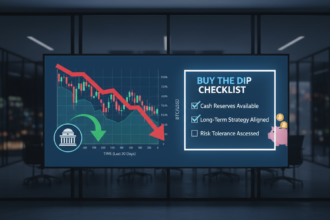
- Ignoring Stablecoins: A truly diversified crypto portfolio should include a cash position (Stablecoins). This allows you to “buy the dip” without injecting fresh fiat currency during market corrections.
- Chasing Green Candles (FOMO): Buying an asset simply because it is up 20% in a day is a recipe for disaster. Stick to your percentage allocations.
- Neglecting Self-Custody: As the saying goes, “Not your keys, not your coins.” Leaving assets on exchanges exposes you to counterparty risk.
- Forgetting Rebalancing: If your Bitcoin allocation balloons from 50% to 70% of your portfolio due to price appreciation, you are no longer diversified. You must periodically sell winners to buy underperforming assets to return to your target percentages.
According to the Bank for International Settlements (BIS), understanding the distinct risk profiles of crypto-assets versus traditional money is vital for financial stability. Treating crypto as a monolithic asset class is a fundamental error. (Source: BIS – Prudential treatment of cryptoasset exposures).
Conclusion: Securing Your Financial Future
Investing in the digital asset space offers a unique opportunity to participate in the future of finance. However, the volatility inherent in this market requires a disciplined approach. Building a diversified crypto portfolio is not just about spreading your bets; it is about acknowledging that no single project is guaranteed to succeed.
By anchoring your investments in the core strength of Bitcoin and Ethereum, and carefully selecting satellite positions in high-growth sectors like DeFi and RWAs, you can navigate the market cycles of 2025 and beyond with confidence.
Remember, the goal is long-term accumulation. Avoid the noise of daily price swings, stick to your allocation strategy, and review your portfolio quarterly.
Ready to start building? Begin by auditing your current holdings today. Identify which sectors you are overexposed to and map out a plan to rebalance your portfolio for better risk-adjusted returns.