
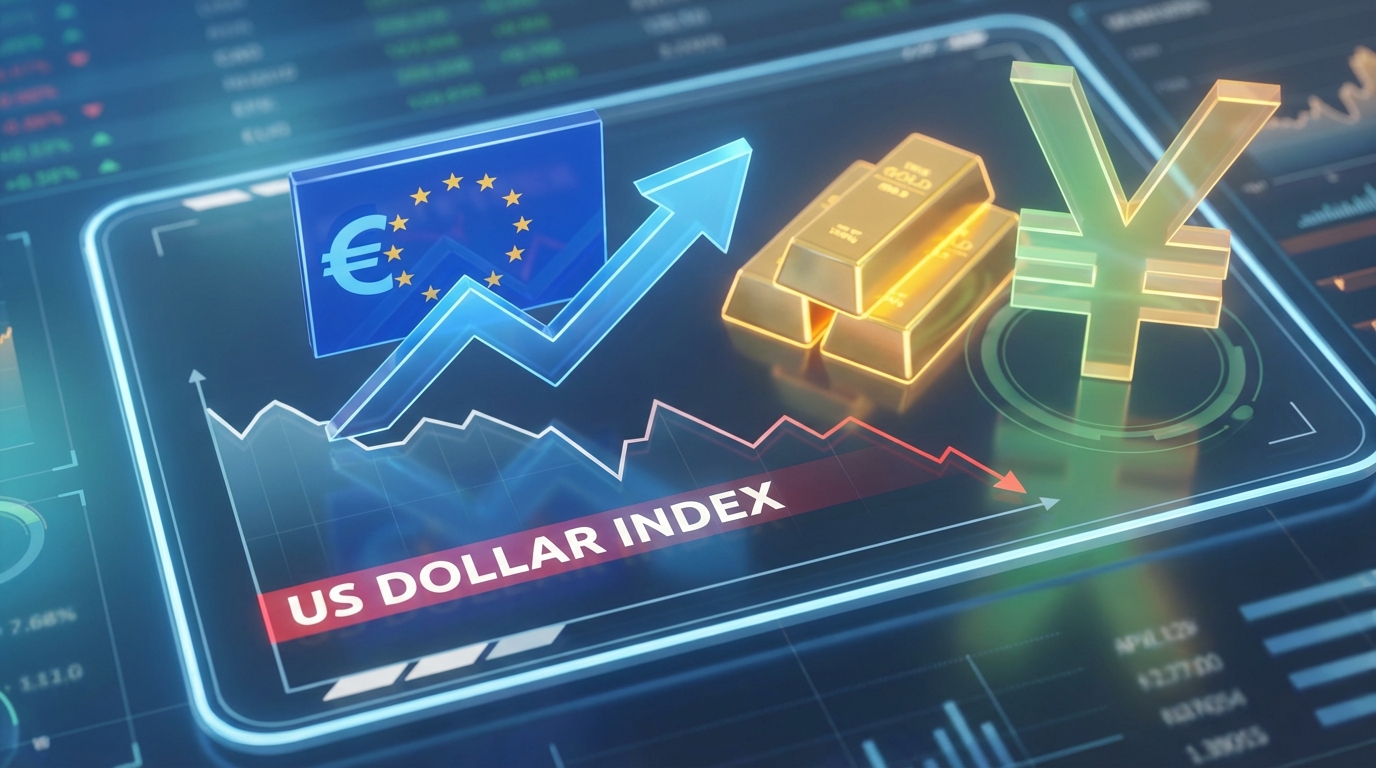
The currency market has reached a fever pitch as the Euro vs Dollar Exchange Rate 2026 officially breached the psychological 1.20 barrier this Wednesday, January 28. This move signifies a dramatic shift in global capital flows, as the greenback faces its most significant challenge in four years. Triggered by a “perfect storm” of political pressure on the Federal Reserve, a historic surge in gold prices above $5,100, and intensifying rumors of coordinated intervention in the yen, the euro has successfully cornered the U.S. dollar. For investors and wealth builders, this breakout is not just a daily fluctuation; it is a fundamental re-rating of the world’s reserve currency in a fractured geopolitical landscape.
Navigating the Euro vs Dollar Exchange Rate 2026 during this period of high volatility requires a deep understanding of the “Triple Pressure” currently weighing on American assets. As the FOMC concludes its January meeting amid unprecedented calls for a weaker dollar policy, the “safe-haven” status of the greenback is being questioned in favor of “hard money” and stronger European fundamentals. This guide breaks down the core drivers of the current rally, provides practical strategies for managing currency risk, and explores the scenarios that could define the next leg of this historic trend.
The Triple Pressure: Why the Dollar is Stumbling
The current strength of the euro is less about European “growth exceptionalism” and more about the structural vulnerabilities of the U.S. dollar. To understand the current Euro vs Dollar Exchange Rate 2026, we must analyze the three distinct forces that have combined to push the EUR/USD pair past the 1.20 mark.
1. Political Pressure and the Federal Reserve
The primary weight on the dollar this week is the ongoing struggle for the soul of the Federal Reserve. As the January 27-28 FOMC meeting concludes, traders are bracing for a “politicized Fed.” Public “jawboning” from the administration and Department of Justice investigations into central bank leadership have raised the “political risk premium” for U.S. assets. Market participants fear that monetary policy is being coerced toward an aggressive rate-cutting cycle to weaken the dollar and bolster domestic manufacturing. When trust in the independence of a central bank erodes, the currency is the first to suffer, as foreign investors reduce their Treasury allocations.
2. The Gold Supercycle and Monetary Distrust
The second pressure point is the historic breakout in precious metals. On Monday, January 26, gold officially surged past $5,100 per ounce for the first time in history. This parabolic move is a “vote of no confidence” in fiat currency stability. As the Euro vs Dollar Exchange Rate 2026 climbs, it reflects a broader rotation away from the dollar toward “hard assets.” Silver has also reached record highs near $117, signaling that the market is pricing in a long-term “debasement trade” where the dollar’s purchasing power is expected to continue its relentless slide.
3. The Shadow of Yen Intervention
The third and perhaps most tactical force is the suspected “coordinated intervention” to support the Japanese yen. Speculation is rife that the New York Fed and the Bank of Japan are working together to halt the yen’s slide toward the 160 level. By selling dollars to buy yen, these monetary authorities are indirectly weakening the greenback against all major peers, including the euro. This “constructive ambiguity” in FX policy has left dollar bulls with nowhere to hide, as the prospect of unlimited dollar sales from the U.S. Treasury itself creates a massive psychological ceiling for the currency.
Practical Strategies: Navigating the 1.20 Breakout
For the proactive investor, the Euro vs Dollar Exchange Rate 2026 breach of 1.20 provides a clear signal to re-evaluate portfolio weighting. While the momentum is firmly bullish for the euro, the 2026 market is defined by “event-driven” volatility that can reverse in a single social media post.
Strategic Reallocation to European Equity
As the dollar weakens, European exporters often face headwinds, but the “denomination effect” for U.S.-based investors is a massive tailwind.
- Identify Domestic-Focused Leaders: Look for European firms in the utility and service sectors that generate revenue in euros but have low exposure to American tariff disputes.
- The Dividend Yield Play: With many European “Blue Chips” offering yields above 4%, the combined effect of a 7% currency gain and a steady dividend provides a powerful total return.
- Internal link: (Internal link: related article about [how to evaluate dividend safety in 2026])
Hedging Against “T.A.C.O.” Trade Reversals
The “Trump Always Chickens Out” (T.A.C.O.) trade refers to the sudden dollar rallies that occur when aggressive tariff rhetoric is softened.
- Utilize Trailing Stop-Losses: If you are long the EUR/USD, set a trailing stop at the 1.1850 level. This protects your gains from a sudden “geopolitical de-escalation” that could trigger a dollar short-squeeze.
- Diversify into “Neutral” Safe Havens: While the euro is strong, it is still a fiat currency. Maintain a 5-10% allocation to physical gold or silver as a “Chaos Hedge” against broader systemic instability.
- Internal link: (Internal link: related article about [best financial planning tools for long-term growth])
Actionable Steps for Traders:
- Audit your USD concentration: If your portfolio is 100% U.S. stocks, you are indirectly 100% long the dollar. Consider moving 20% into international ETFs to capture the currency upside.
- Monitor the 10-Year Treasury Yield: If the yield spikes while the dollar falls, it indicates a “flight from quality.” In this scenario, the Euro vs Dollar Exchange Rate 2026 could target 1.24 rapidly.
- Watch the ECB Guidance: While the Fed is under pressure to cut, the European Central Bank (ECB) has remained relatively hawkish. This “interest rate differential” is the fundamental engine of the rally.
Dollar’s ‘Relentless’ Slide Has Traders Bracing for More Pain
Scenarios: The Financial Math of the 1.20 Barrier
To quantify the impact of the Euro vs Dollar Exchange Rate 2026, let’s examine how the greenback has performed against its primary peers during this historic January. The shift in “confidence premiums” is visible in the raw numbers.
| Currency / Asset | Price (Jan 1, 2026) | Price (Jan 28, 2026) | % Change (MTD) |
| EUR/USD | 1.175 | 1.204 | +2.47% |
| GBP/USD | 1.321 | 1.392 | +5.37% |
| USD/JPY | 158.4 | 153.9 | -2.84% |
| Gold (Spot) | $4,580 | $5,105 | +11.46% |
| Silver (Spot) | $100.2 | $117.7 | +17.46% |
Scenario: The “Double Deficit” Squeeze
The Euro vs Dollar Exchange Rate 2026 is being compressed by the “twin deficits”—the simultaneous expansion of the U.S. fiscal and trade deficits. As the cost of financing American debt rises, foreign central banks are diversifying their reserves away from Treasuries and into gold and euros.
- The Math: If the Fed cuts rates to 3.25% today while the ECB holds at 4.00%, the “Yield Advantage” for Europe increases the demand for euros significantly.
- The Result: For a U.S. investor with a $100,000 international portfolio, a move from 1.17 to 1.20 in the exchange rate adds approximately $2,500 in “currency alpha” to their net worth in just 28 days.
Economic Insight: According to theInternational Monetary Fund (IMF), “geoeconomic fragmentation” is the primary risk to global growth in 2026. The current euro rally is a direct reflection of the market’s attempt to price in the high cost of this fragmentation.
Common Mistakes and Risks to Avoid
- Chasing the Parabolic Move: Never “market buy” at the peak of a 1.20 breakout. The Euro vs Dollar Exchange Rate 2026 often sees “mean reversion” pullbacks to the 50-day moving average.
- Underestimating the Fed’s “Hawkish” Potential: While under pressure, the Fed still cares about its 2% inflation target. If Chair Powell ignores the political “jawboning” and maintains a hawkish tone, the dollar could rally 2% in an afternoon.
- Ignoring the “Greenland Tariff” Pivot: The administration’s trade policy can shift in a single post. (Internal link: related article about [how to hedge against geopolitical risk in 2026]) is essential reading for understanding these “headline shocks.”
- Concentrating in “Unallocated” Gold: If you are using gold as a hedge against a dollar slide, ensure you have “fully allocated” physical metal rather than paper certificates that carry bank counterparty risk.
Conclusion – Key Takeaways & Next Steps
The breakthrough of the Euro vs Dollar Exchange Rate 2026 past the 1.20 mark on January 28 is a watershed moment for the global financial system. It represents the confluence of a “politicized Fed,” a record-breaking gold supercycle, and a coordinated effort to stabilize the yen. While the dollar’s “relentless slide” has been painful for bulls, it has created a historic opportunity for those positioned in “hard assets” and international equities.
Ultimately, your strategy must be one of “Diversified Vigilance.” The era of “Dollar Exceptionalism” is facing its sternest test yet, and the 1.20 level for the euro is likely just the beginning of a broader currency realignment.
Are you ready to hedge your currency risk for the rest of 2026?
Start by auditing your portfolio for U.S. Treasury concentration. Would you like me to create a “Currency Risk Stress-Test” to help you see how a move to 1.25 in the EUR/USD would impact your long-term retirement goals?






5 Comments