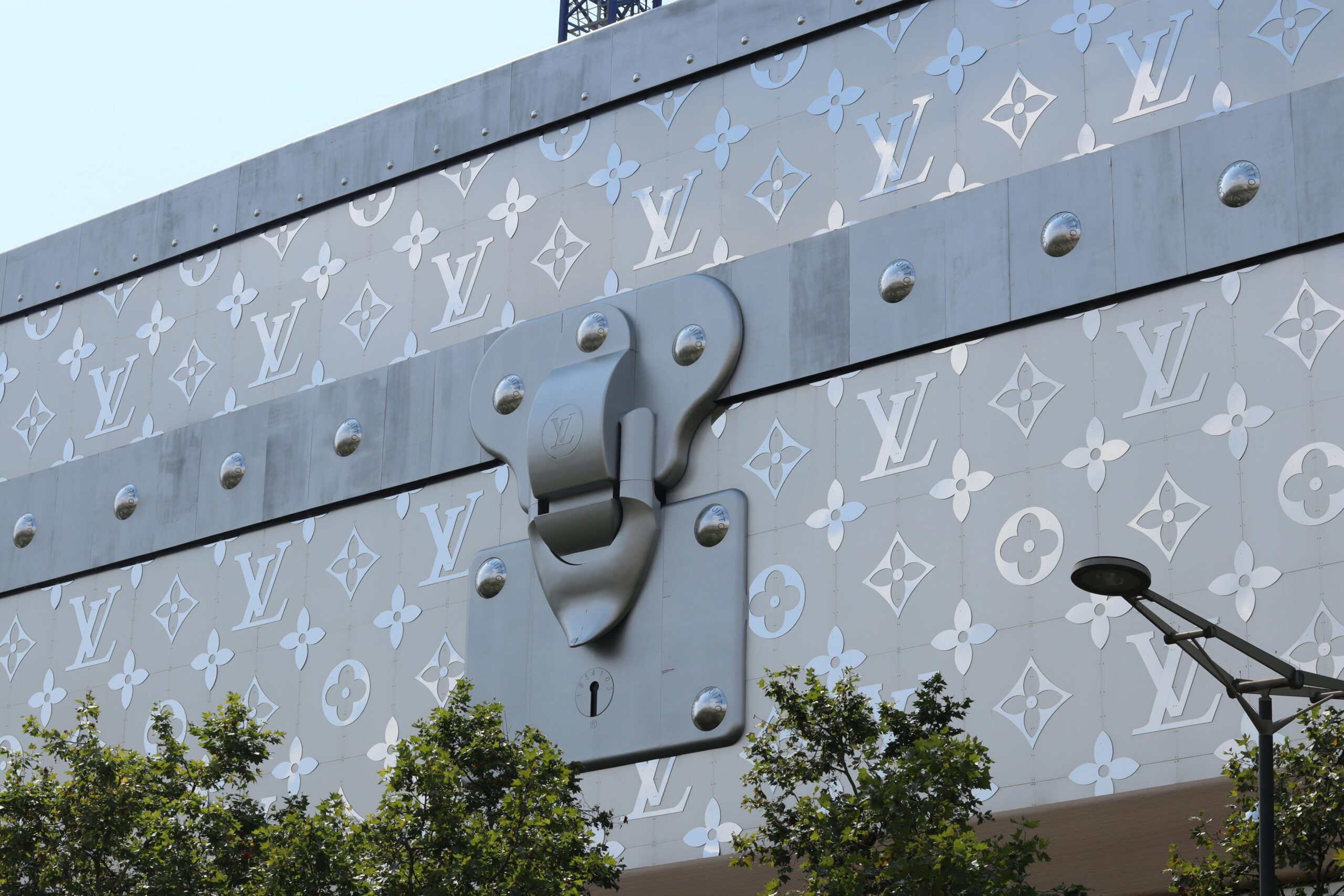
The intersection of high fashion and high finance has rarely looked as polished as it does today. In early February 2026, the luxury world stopped to watch as actress Zendaya anchored the global campaign for the Louis Vuitton 130-year milestone investment strategy. Celebrating the 130th anniversary of the iconic Monogram (1896–2026), this milestone isn’t just a marketing gala; it is a calculated financial signal from LVMH (Louis Vuitton Moët Hennessy). For investors, the “Zendaya effect” coupled with 130 years of brand heritage represents a powerful case study in “Veblen goods” and long-term wealth building. In a world of fluctuating interest rates and cooling retail sectors, understanding the Louis Vuitton 130-year milestone investment narrative is essential for anyone looking to capitalize on the resilience of global luxury.
Heritage as a Financial Moat
At its core, the luxury market operates on a different set of rules than traditional retail. While most consumer goods lose value over time, heritage brands like Louis Vuitton experience what economists call the “Lindy Effect”—the idea that the longer something has lasted, the longer it is likely to last. The Louis Vuitton 130-year milestone investment potential is rooted in this 130-year-old Monogram, which acts as a “trust signal” to global consumers.
When LVMH reports its results, as it did in January 2026 with a robust €80.8 billion in revenue, the primary driver is almost always the “Fashion & Leather Goods” division, anchored by Louis Vuitton. This brand doesn’t just sell bags; it sells a store of value. During economic uncertainty, wealthy individuals often pivot toward “hard” luxury assets that hold their price in the secondary market. This behavior makes Louis Vuitton a defensive cornerstone in many sophisticated portfolios.
The “Zendaya Factor” and Intangible Brand Equity
Zendaya’s role in this 130-year celebration is a masterclass in modern brand valuation. In the 2026 landscape, “Media Impact Value” (MIV) is a tangible metric that dictates stock sentiment. By positioning Zendaya—a once-in-a-generation icon—at the heart of the campaign, Louis Vuitton bridges the gap between historical prestige and Gen Z relevance. This ensures that the brand’s “Goodwill” (an accounting term for intangible assets) remains high, shielding the stock from the “commodity trap” that plagues mid-tier fashion brands.
Scarcity and Pricing Power
One of the most potent weapons in the Louis Vuitton 130-year milestone investment arsenal is pricing power. Unlike essential goods where consumers are sensitive to price hikes, luxury buyers often perceive higher prices as an indicator of higher exclusivity. Despite global inflation concerns in 2025 and 2026, Louis Vuitton has successfully maintained its high operating margins. By using the 130-year milestone to launch “limited editions” and “capsule collections,” LVMH creates artificial scarcity, driving both immediate revenue and long-term desirability.
Stock Market Today: 3 Hidden Signals Investors Missed (Feb 6, 2026)
Navigating the Luxury Sector
If you are looking to integrate the Louis Vuitton 130-year milestone investment theme into your own financial planning, you need more than just a passing interest in fashion. You need a strategy that accounts for macroeconomic cycles and sector-specific risks. The luxury market in 2026 is becoming “bifurcated”—a situation where only the top-tier “true luxury” brands survive, while the “aspirational” middle ground collapses.
Strategy 1: Direct Equity Exposure via LVMH (MC.FR)
The most direct way to benefit from the Louis Vuitton 130-year milestone investment is by owning shares in the parent company, LVMH Moët Hennessy Louis Vuitton SE. Trading primarily on the Euronext Paris, LVMH is a dividend-paying powerhouse. For 2026, the company has proposed a dividend of €13 per share, reflecting a management team that is confident in its cash flow.
(Internal link: related article about [how to value luxury stocks in a volatile market])
- Watch the P/E Ratio: Historically, LVMH trades at a premium. However, in early 2026, valuations have stabilized near the €650 range, offering a more reasonable entry point than the speculative highs of 2024.
- Monitor China’s “Coming of Age”: According to recent IMF reports, China’s economy is stabilizing with a focus on high-quality growth. Since China accounts for nearly 25% of luxury sales, any recovery in Chinese consumer sentiment is a direct catalyst for Louis Vuitton.
Strategy 2: The “Luxury Basket” Approach
If picking a single stock feels too risky, consider a “luxury basket” or an ETF that tracks the sector. This strategy allows you to capture the growth of the Louis Vuitton 130-year milestone investment while hedging against specific risks associated with one company.
Actionable Steps for Your Portfolio:
- Identify Global Winners: Focus on “The Big Three” (LVMH, Hermès, Richemont). These firms have the strongest balance sheets and the most resilient brand identities.
- Evaluate Dividend Yields: Look for companies that consistently return value to shareholders through buybacks and dividends, which act as a floor for the stock price during market dips.
- Assess the “Silent Quarter”: Keep an eye on “emerging” luxury markets like India and the Middle East, which are becoming the “silent drivers” of 2026 luxury growth.
(Internal link: related article about [diversifying your portfolio with international equities])
Louis Vuitton vs. The Market
To truly understand why the Louis Vuitton 130-year milestone investment is garnering so much attention, we must look at the numbers. While the broader retail sector struggled with a “post-pandemic hangover” in 2025, the top-tier luxury sector showed a different trajectory.
Comparative Performance Analysis (2025-2026)
| Metric | S&P 500 (Retail Sector) | LVMH (Fashion & Leather) |
| Organic Growth (2025) | -2.5% | +1.0% |
| Operating Margin | 8% – 10% | 22% – 25% |
| Proposed 2026 Dividend | Average 1.8% Yield | €13 per share |
| Key Catalyst | Consumer Spending | Louis Vuitton 130-year Milestone |
In this scenario, we see that Louis Vuitton’s operating margins are nearly triple that of the average retail stock. This is the financial manifestation of the Zendaya campaign and the 130-year monogram history. When a brand can convince a consumer to pay thousands of dollars for a canvas bag with a production cost in the hundreds, the resulting cash flow is a gold mine for investors.
Applying this in real life means looking for “The Moat.” If you are an investor, ask yourself: “Does this company have a 130-year-old symbol that people are willing to stand in line for?” If the answer is yes, you are looking at a potential “long-haul” asset.
Investing in luxury isn’t without its pitfalls. As you evaluate the Louis Vuitton 130-year milestone investment, avoid these common errors:
- Chasing Hype over Fundamentals: Don’t buy LVMH just because Zendaya looks great in the campaign. Buy it because the 2025 net profit of over €10 billion proves the business model works.
- Ignoring Currency Fluctuations: LVMH is a European company reporting in Euros but earning a large portion of its revenue in USD and CNY. Currency headwinds can eat into profits, even if sales are up.
- Underestimating “Quiet Luxury”: In 2026, some consumers are moving away from loud logos. While the Monogram is iconic, the brand must continue to innovate with “understated” lines like the Capucines to stay relevant.
- Forgetting the “Aspirational” Drag: If the global middle class feels the pinch of high interest rates, the “entry-level” luxury items (like small leather goods) may see a decline, even if the “ultra-wealthy” continue to spend.
The Louis Vuitton 130-year milestone investment is a testament to the power of time and talent. By combining 130 years of monogram heritage with the modern cultural magnetism of Zendaya, LVMH has reinforced its position as the undisputed leader of the luxury world. For the savvy investor, this milestone serves as a reminder that brand equity is a tangible financial asset. Whether you are holding LVMH stock for the €13 dividend or looking to diversify into the “bifurcated” luxury market of 2026, the strategy remains the same: bet on the brands that define culture.
As the global economy navigates the complexities of the mid-2020s, the resilience shown by Louis Vuitton suggests that high-quality assets will always find a buyer. The 130-year journey of the monogram is not just about fashion history—it’s about the future of wealth.
Would you like me to create a 2026 Luxury Sector Watchlist to help you identify the best entry points for LVMH and its competitors?