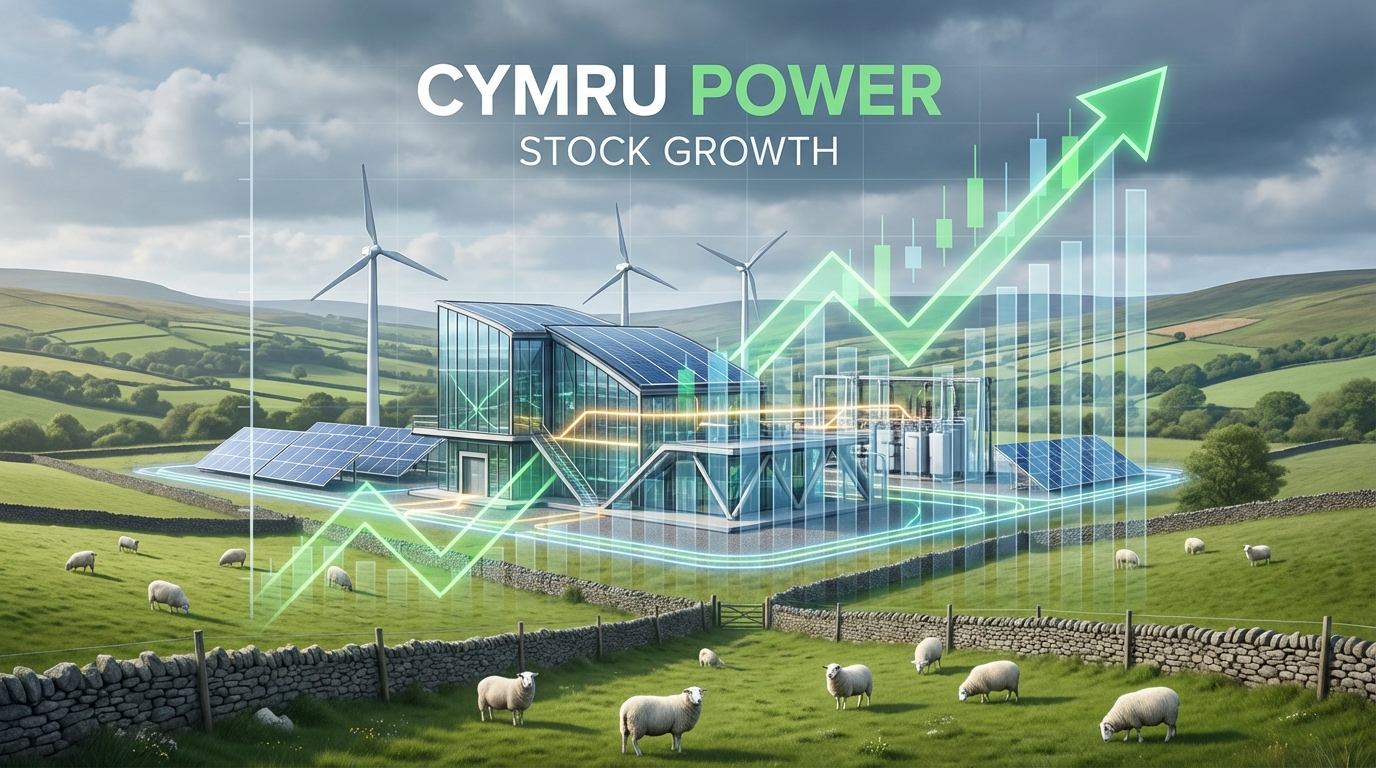
The global energy landscape is currently undergoing its most significant transformation since the industrial revolution. In January 2026, the spotlight has shifted to the United Kingdom’s transmission infrastructure as a pivotal development takes shape. A recently validated planning application for the National Grid North Wales network upgrade investment marks a milestone in the “Great Grid Upgrade,” a multi-billion-pound initiative aimed at future-proofing the nation’s power supply. For investors looking to capitalize on the transition to net-zero, this project represents more than just steel and cables; it is a fundamental shift in the economics of the utility sector.
Infrastructure has always been the “boring” but reliable cornerstone of a diversified portfolio. However, the current economic environment of 2025–2026, characterized by shifting interest rate cycles and a heightened focus on domestic energy security, has turned grid reinforcement into a high-stakes investment theme. Understanding the nuances of the National Grid North Wales network upgrade investment is essential for anyone seeking to navigate the intersection of public policy, technological innovation, and long-term capital growth.
Expert Reviews of algosone.ai: The 2026 Guide to AI-Driven Wealth Building
The Infrastructure Supercycle
To understand the value proposition of the National Grid North Wales network upgrade investment, we must first look at the “Great Grid Upgrade.” This is the largest overhaul of the electricity grid in generations. The project specifically focuses on the reinforcement of the network between Pentir and Trawsfynydd, a critical corridor for connecting new sources of cleaner, home-grown energy to the wider UK market.
Bridging the Gap to Net Zero
The UK’s electricity grid was originally designed for a centralized model based on coal and gas plants located near the Midlands and the North of England. As we move toward 2030, the goal is to integrate 50GW of offshore wind and significantly increase solar and nuclear capacity. Wales, with its unique geography, is a central hub for these renewable resources. The National Grid North Wales network upgrade investment provides the necessary “pipes” to transport this energy from where it is generated in the Irish Sea to where it is needed in major demand centers.
Strategic Role of the Great Grid Upgrade
Utility companies like National Grid operate under a regulated model where they are allowed to earn a set return on their capital expenditure (Capex). This project involves several high-value components:
- Installing new underground cables at the Pentir Substation.
- Constructing a brand-new substation south of Bryncir.
- Replacing 5.8km of subsea cables beneath the Glaslyn Estuary.
- Refurbishing the Trawsfynydd Substation to handle increased voltage flows.
For an investor, these are not just construction costs; they are additions to the “Regulatory Asset Value” (RAV). As the RAV grows, the potential for stable, inflation-linked dividend growth increases, making this a classic “defensive-growth” play in the 2026 market.
Practical Strategies: Investing in Grid Modernization
Navigating the 2026 energy sector requires a sophisticated framework. You cannot simply buy “utilities” and hope for the best. You must differentiate between traditional power generators and the transmission giants that facilitate the entire ecosystem.
Analyzing Utility Stock Fundamentals
When evaluating companies involved in the National Grid North Wales network upgrade investment, the primary metric to watch is the Capex-to-Earnings ratio. National Grid has announced a staggering £30bn+ five-year investment plan through 2031.
- Step 1: Analyze the debt-to-equity ratio. Large infrastructure projects are often debt-funded. In the 2025–2026 interest rate environment, ensure the company has a strong credit rating to keep financing costs low.
- Step 2: Monitor “Constraint Costs.” The grid currently pays wind farms to turn off when there is too much power for the cables to handle. Upgrades like the North Wales project reduce these costs, improving the overall efficiency of the UK economy.
Infrastructure Bonds vs. Equity Plays
If you prefer a lower-risk entry point, consider infrastructure bonds or dedicated Green Bonds.
- Direct Equity: Buying shares in National Grid (NG.) provides direct exposure to the RAV growth and dividend yield.
- Infrastructure ETFs: Funds like the Global Infrastructure ETF (IGRA) provide broader exposure to the entire supply chain, including the manufacturers of the high-voltage cables and transformers used in North Wales.
- Green Bonds: National Grid frequently issues bonds specifically to fund projects like the Pentir-Trawsfynydd reinforcement. These often offer fixed returns with a high degree of security.
Examples and Market Scenarios
To quantify the impact of the National Grid North Wales network upgrade investment, let’s look at how such projects typically influence shareholder value.
Scenario: The RAV Accumulation Effect
Imagine a utility company with a current Regulatory Asset Value of £50 billion. Over the next five years, they invest £10 billion into projects like the North Wales upgrade.
| Metric | Pre-Upgrade | Post-Upgrade (Year 5) | Growth |
| Regulatory Asset Value (RAV) | £50 Billion | £60 Billion | +20% |
| Allowed Return (Est. 4.5%) | £2.25 Billion | £2.70 Billion | +20% |
| Projected Dividend Yield | 5.2% | 6.1% (on cost) | Stable Growth |
In this scenario, the “alarming detail” for the general public might be the rise in network charges on their bills, but for the investor, it is a guaranteed growth in income. The National Grid North Wales network upgrade investment is effectively a “toll booth” on the renewable energy highway. As more wind farms connect in Wales, the volume of “traffic” through these North Wales substations increases, solidifying the long-term cash flow.
Long-Term Investing Mindset: Why Most People Never Build Real Wealth
Common Mistakes and Risks to Avoid
- Political and Regulatory Risk: The biggest threat to the National Grid North Wales network upgrade investment is a change in the regulatory framework from Ofgem (the UK energy regulator). Always check for upcoming “RIIO” (Revenue = Incentives + Innovation + Outputs) price control reviews.
- Cost Overruns: Large-scale engineering projects, especially those involving subsea cabling like the Glaslyn Estuary works, are prone to delays.
- Inflation Mismatches: If construction inflation outpaces the allowed regulatory inflation adjustment, margins can be squeezed.
- Underestimating Local Opposition: While the planning applications have been validated as of January 21, 2026, local environmental groups in the Eryri National Park (Snowdonia) could still trigger delays through judicial reviews.
Investor Insight: According to theInternational Monetary Fund (IMF), “green infrastructure investment” is expected to be a primary driver of global GDP growth through 2030, provided that regulatory frameworks remain stable and conducive to private capital.
Conclusion – Key Takeaways & Next Steps
The National Grid North Wales network upgrade investment is a quintessential example of the 2026 “Green Industrial Revolution.” By reinforcing the Pentir-Trawsfynydd corridor, National Grid is not just fulfilling a policy mandate; it is creating a massive, long-term asset that will generate regulated returns for decades.
For the savvy investor, this project highlights the importance of looking “under the hood” of your utility holdings. Are they investing in high-value, strategic bottlenecks, or are they managing aging, legacy assets? The North Wales upgrade is clearly the former. As we move closer to the 2030 operational target, the reduction in national “constraint costs” will likely translate into a more efficient, profitable utility sector.
What is your next step?
Start by reviewing your portfolio’s exposure to the UK energy transmission sector. Would you like me to create a “Regulated Asset Scorecard” to help you compare National Grid’s growth trajectory with other global utility giants?