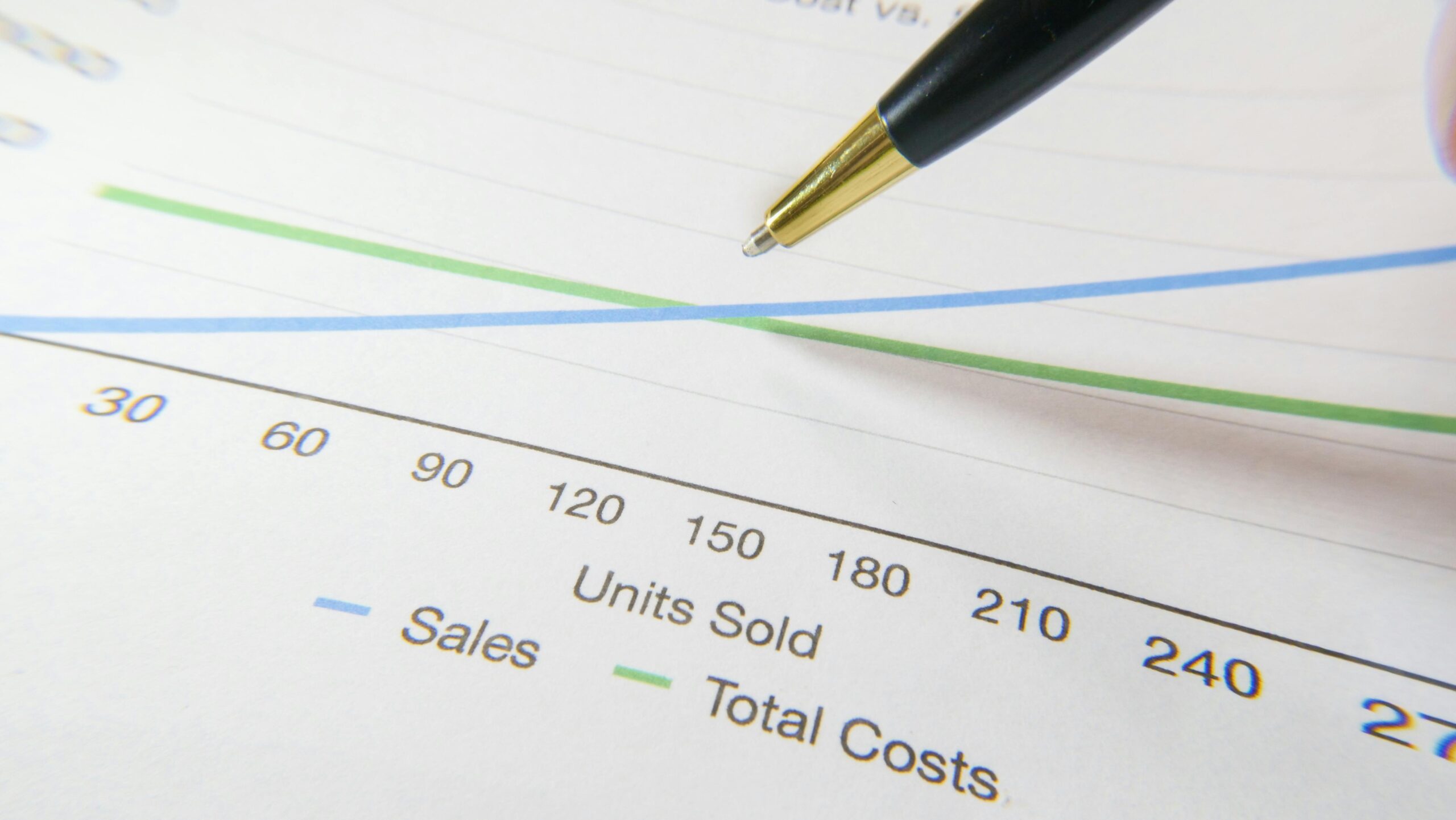
Understanding the broader economy isn’t just for analysts — it’s essential for managing your personal finances.
Economic shifts, interest rates, inflation, and employment trends directly impact your savings, investments, and spending. In this guide, we’ll explore how key economic trends in 2026 affect your financial decisions and provide actionable tips to safeguard and grow your wealth.
1. Inflation and Its Impact on Your Budget
Inflation erodes purchasing power over time, making everyday goods more expensive.
- Track essential expenses to identify areas to cut costs
- Consider high-yield savings accounts or inflation-protected securities (like TIPS) to preserve value
💡 Tip: Review your monthly budget regularly to adjust for rising prices and maintain financial stability.
2. Interest Rates and Debt Management
Changes in interest rates affect loans, mortgages, and credit cards:
- Higher rates increase borrowing costs
- Lower rates make it cheaper to refinance debt
✅ Strategy: Lock in fixed-rate loans when rates are low and prioritize paying off high-interest debt first.
3. Stock Market Trends and Investment Strategy
Economic conditions influence market performance:
- Inflation and rate hikes can cause volatility in stocks and bonds
- Sectors like technology or consumer staples may react differently to economic changes
Tip: Diversify your portfolio and avoid overreacting to short-term market fluctuations.
4. Employment and Income Stability
Job market trends affect your financial security:
- Economic slowdowns may impact salary growth or employment stability
- Upskilling and diversifying income sources can mitigate risks
💡 Action Step: Consider side hustles or freelance opportunities to create additional income streams.
5. Tax Policies and Government Incentives
Economic policies often bring tax changes or incentives:
- New deductions, credits, or retirement account options may emerge
- Staying informed allows you to optimize savings and investments
✅ Tip: Use tax software like TurboTax or consult a financial advisor to take advantage of benefits.
6. Strategies to Protect and Grow Your Wealth
- Build an emergency fund covering 3–6 months of expenses
- Automate investments to take advantage of compound growth
- Regularly review your portfolio to adjust for economic trends
💡 Pro Tip: Combine personal finance discipline with awareness of macroeconomic factors to make smarter decisions.
Final Thoughts
Economic trends can feel overwhelming, but understanding their impact allows you to make proactive financial choices.
By monitoring inflation, interest rates, market trends, and employment dynamics, you can protect your finances and grow your wealth even in uncertain times.
💬 Which economic trend do you think will impact your finances the most this year?
Share your thoughts in the comments — your insight could help others plan smarter!