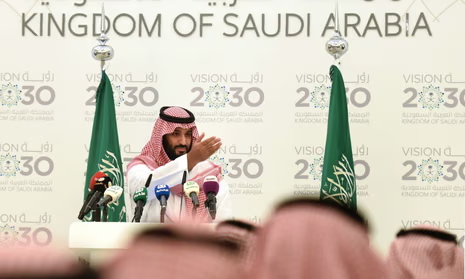
The Vision That Sparked a Transformation
In 2016, Saudi Arabia took a bold step into the future with the launch of Vision 2030 — a roadmap designed to reduce the nation’s dependence on oil and build a dynamic, sustainable economy. The plan wasn’t just about economic reform; it was about redefining national identity through innovation, entrepreneurship, and global partnerships.
At the time, oil accounted for nearly 90% of government revenue. But as the world shifted toward renewable energy and digital economies, Saudi leaders recognized a pressing need for change. The goal was clear: diversify income sources, empower citizens, and position the Kingdom as a global investment hub.
Building New Engines of Growth
To drive this transformation, Saudi Arabia invested heavily in non-oil sectors such as tourism, entertainment, renewable energy, and technology. The creation of megaprojects like NEOM, The Red Sea Project, and Qiddiya represented not just massive infrastructure investments but a cultural and economic revolution.
For example, NEOM — a $500 billion futuristic city — aims to blend cutting-edge technology with sustainable living. This project alone is expected to contribute billions to GDP and generate thousands of jobs, showcasing how economic diversification can spark innovation and global attention.
Empowering the Private Sector and the Workforce
One of the most transformative aspects of Saudi Arabia’s economic evolution has been its focus on the private sector. The government launched reforms to make it easier for foreign investors to operate, streamline business licensing, and support local entrepreneurs through initiatives like Monsha’at.
In addition, women’s participation in the workforce has more than doubled in less than a decade. This shift has not only strengthened labor markets but also unlocked new dimensions of creativity and productivity within the economy.
Technology and Renewable Energy: The New Oil
While oil remains a valuable asset, Saudi Arabia is betting big on technology and clean energy. Projects under Saudi Green Initiative and investments in solar and wind power signal a clear intent to lead in sustainable energy production.
Furthermore, the growth of digital infrastructure, fintech, and artificial intelligence has positioned Saudi Arabia as a rising regional hub for innovation. As a result, international tech companies are now establishing strong presences in Riyadh, further boosting non-oil GDP.
Measurable Progress and Global Recognition
The results of these efforts are already visible. According to recent data, the non-oil sector now contributes over 50% of Saudi GDP — a record achievement. Moreover, the Kingdom has climbed in global rankings for ease of doing business, competitiveness, and innovation.
Foreign direct investment (FDI) continues to rise, while tourism revenue is on track to exceed pre-pandemic levels. These milestones prove that the shift beyond oil is not just aspirational — it’s operational and measurable.
A Future Built on Innovation and Resilience
Saudi Arabia’s economic transformation is far from over, but its direction is unmistakable. By embracing sustainability, empowering people, and investing in technology, the Kingdom is laying the foundation for a resilient, knowledge-based economy.
This journey demonstrates that diversification is not merely about reducing dependency — it’s about creating new possibilities and securing prosperity for future generations.
What lesson inspired you most from Saudi Arabia’s economic transformation? Share your thoughts in the comments!